Daily Archive
One good story each day. Ask AI while you read, then continue with dictation, practice, and a grounded conversation.
Reading level
 Today's lesson
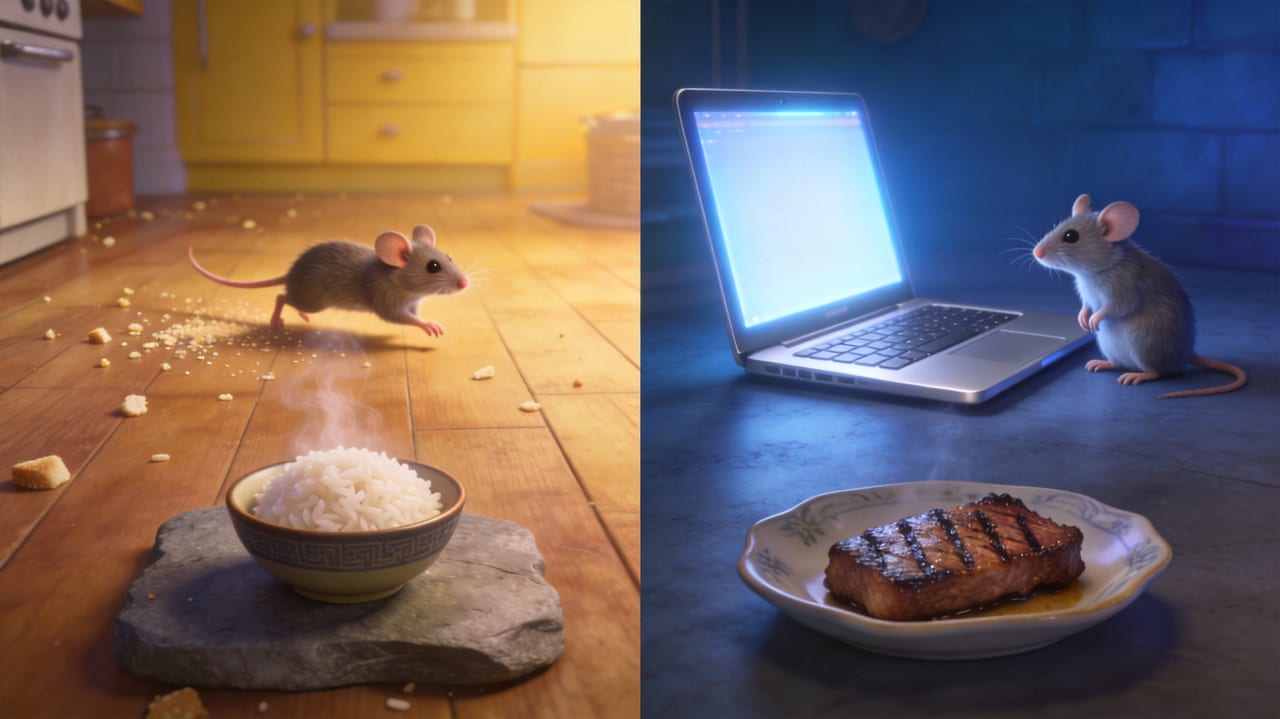
A mouse can be a small animal in a kitchen. It can also be something you use with a computer. The same word can mean different things. Words can change over time. Long ago, "meat" meant food, not just food from animals. Today, rice is food, but we do not call it meat. People slowly changed how they used the word. Words can also get new meanings. The computer mouse got its name because it looked
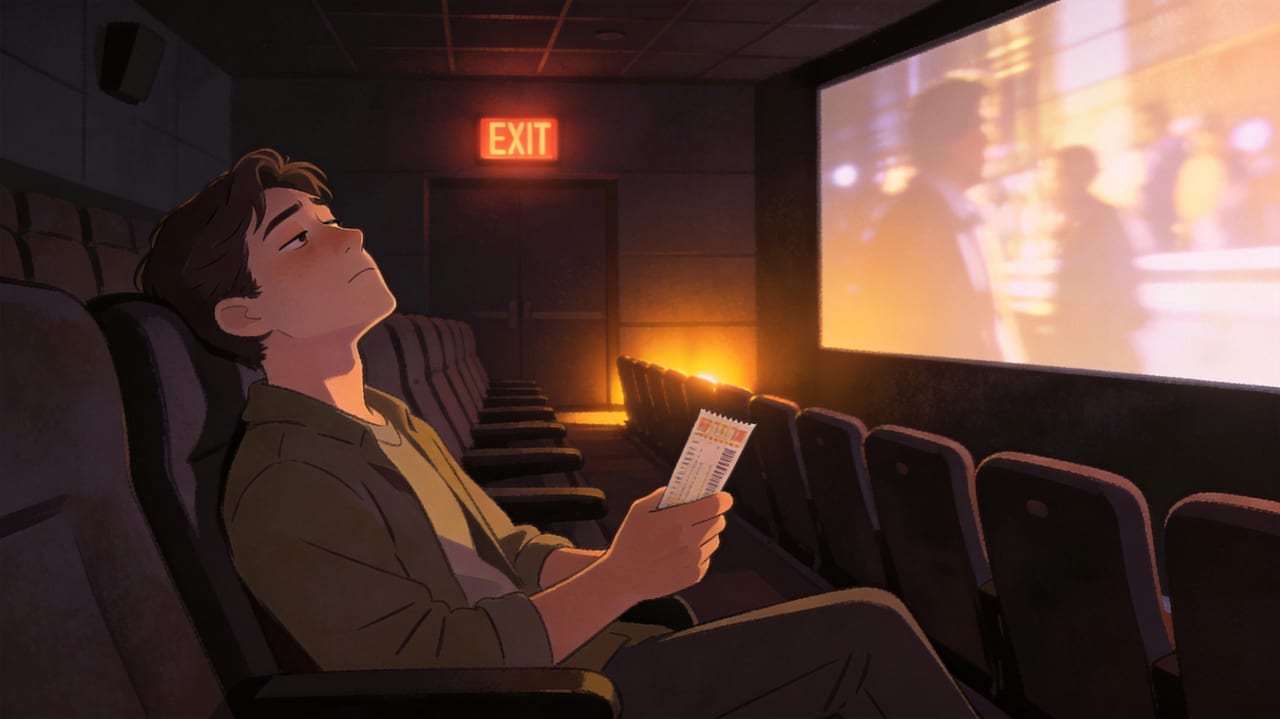
Think about this: you buy a film ticket. You do not like the film, and you want to go home. But you stay because you paid. Staying cannot bring your money back. Money or time we cannot get back can change what we do next. We may not want to feel that we made a bad choice. But something that was good for us before may not be good now. What can you do? First, think about the money or time you cann
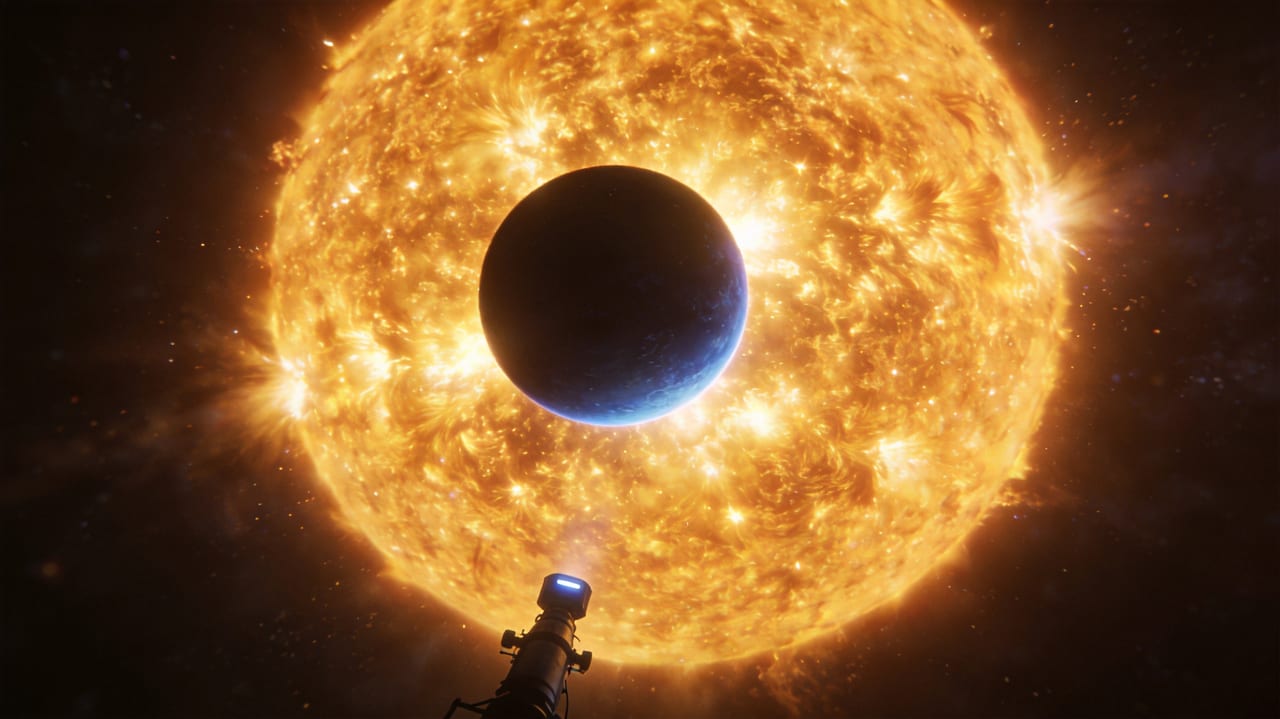
How can we find a planet, a world that goes around a star? A star's light can make a planet hard to see. But the light can help us find it. Sometimes a planet moves between its star and us. It stops some of the star's light from reaching us. The star looks a little less bright. Then the planet moves on, and we see more light again. A bigger planet stops more light from the same star. If we know
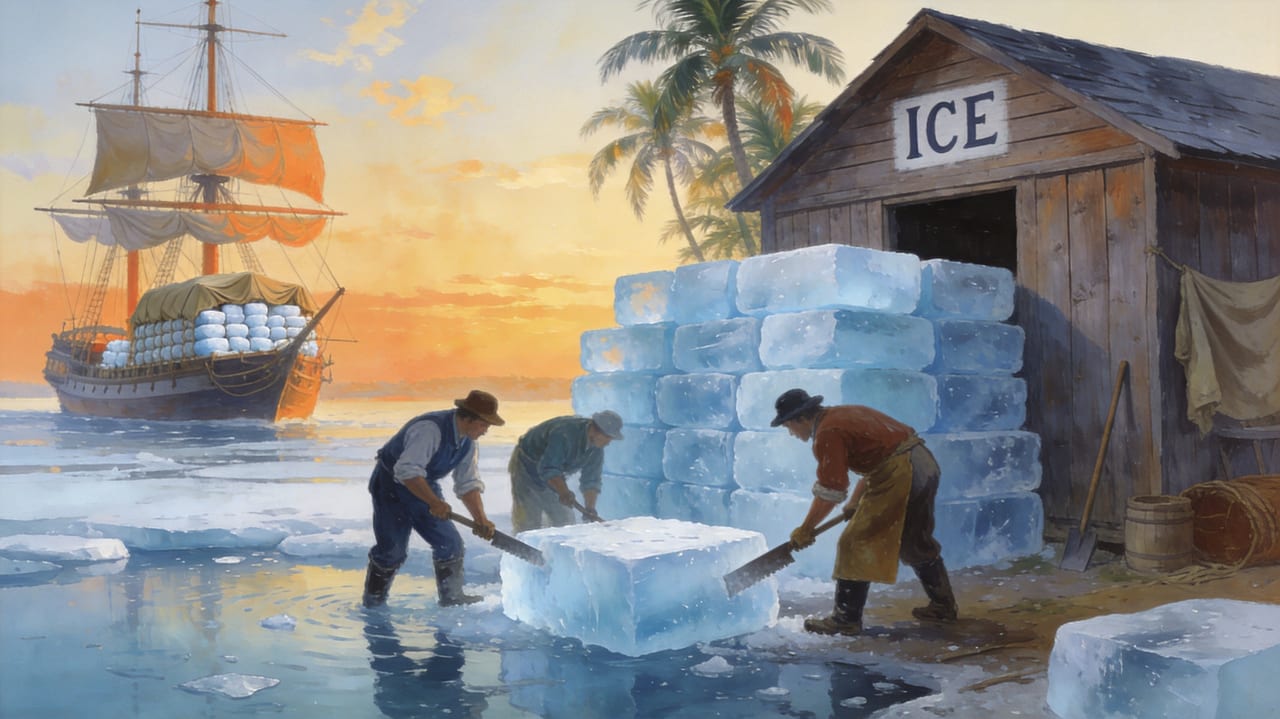
In the 1800s, people sent ice—very cold, hard water—from cold places to hot countries by ship. Ice from lakes in New England went to the Caribbean and India. In winter, workers cut the ice into big pieces. They kept it in special buildings before putting it on ships. How did the ice stay cold? People put the big pieces close together and kept heat away. Some ice became water on the long trip. Bu

You can put on a jacket without watching your hand all the time. You know where your arm is, even when you cannot see it. How? Your muscles, the parts of your body that help you move, have sensors. These are very small parts that feel changes. They feel when your muscles get longer or pull. They send messages to your brain, the part inside your head that helps you think and move. Your brain uses
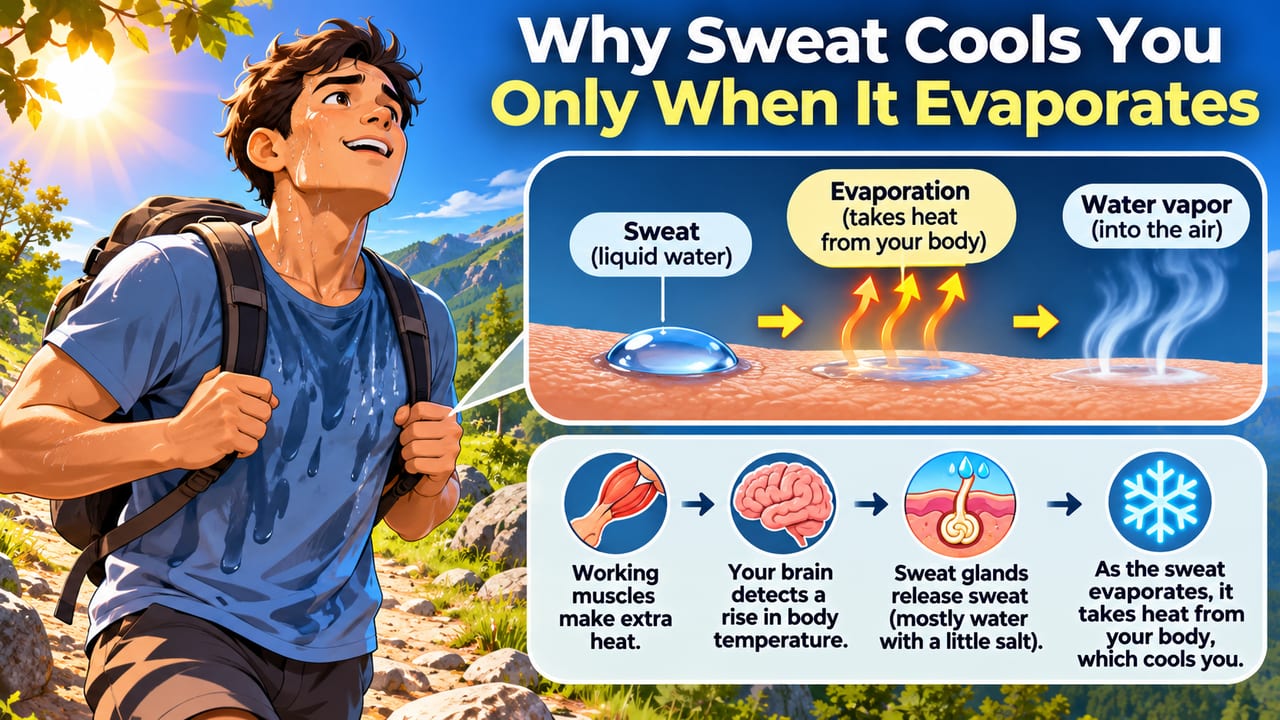
When you are hot, your body makes sweat—water that comes out of your body. But making sweat is not the same as getting cooler. Your body gets cooler when sweat changes from water you can see to water in the air. As it changes, it takes heat away from your body. Sweat that falls to the ground does not help in the same way. The air around you is important. When there is little water in the air, sw
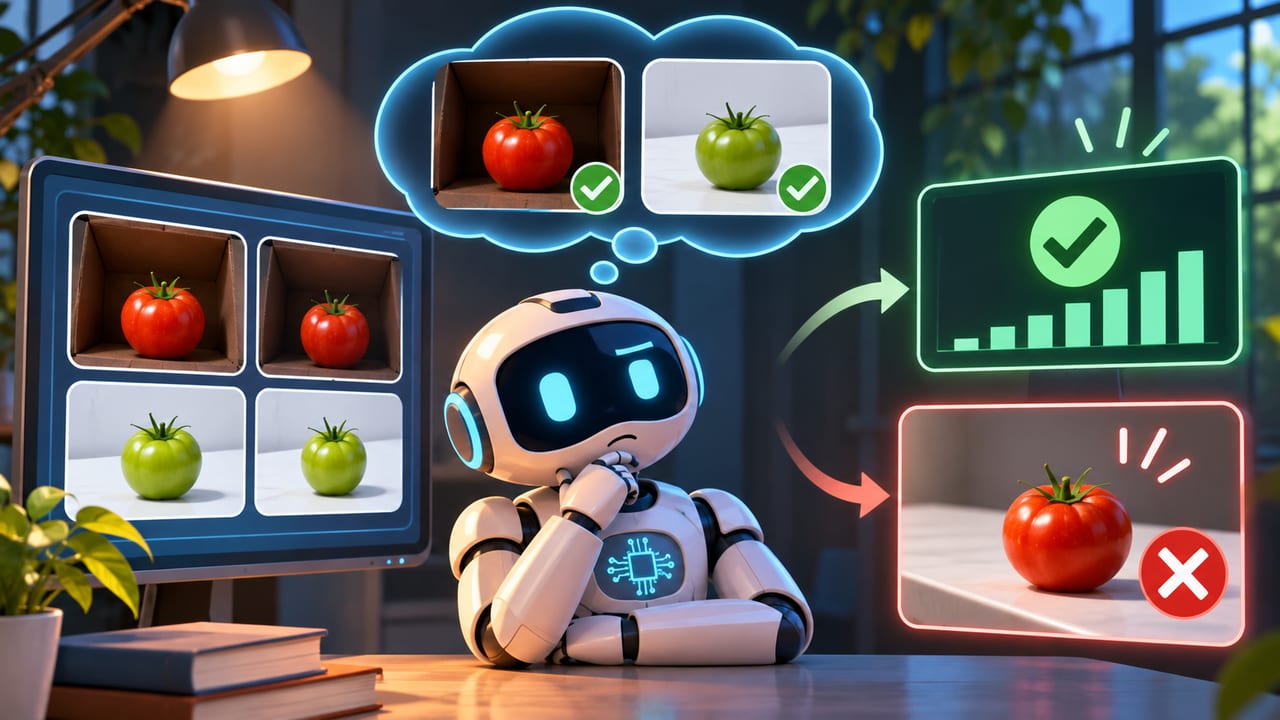
AI, a computer that learns from examples, can do well in a test but make mistakes at work. Think of this example. It is not a real story. A company wants AI to look at tomato photos. It must tell which tomatoes are ready to eat. People give it photos with the right answers to learn from. But most tomatoes ready to eat are in dark boxes. The others are on white tables. The AI may learn to look at
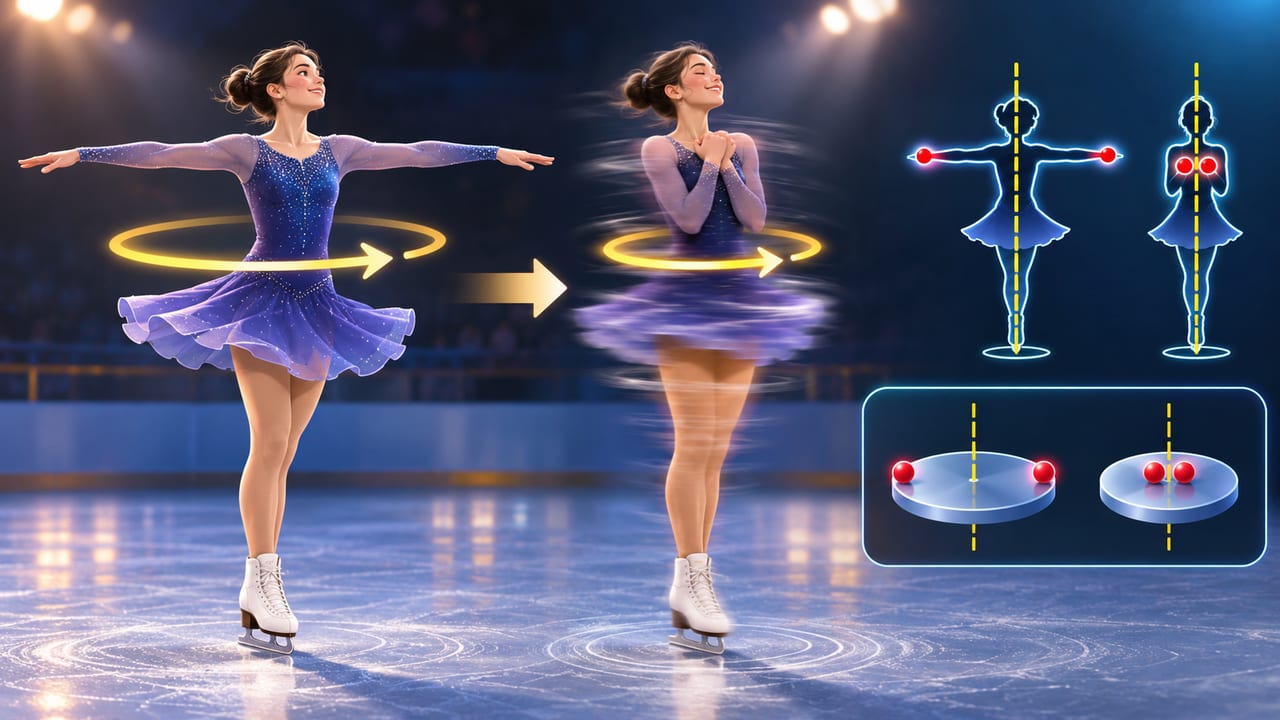
A skater, a person who moves on ice in special shoes, turns with both arms out. Then the skater brings the arms in and turns faster. The skater does not push on the ice again. Why does this happen? Think of a line through the body, from head to foot. The body turns around this line. With the arms out, the hands are far from the line. It is harder to make the body turn faster or slower this way.
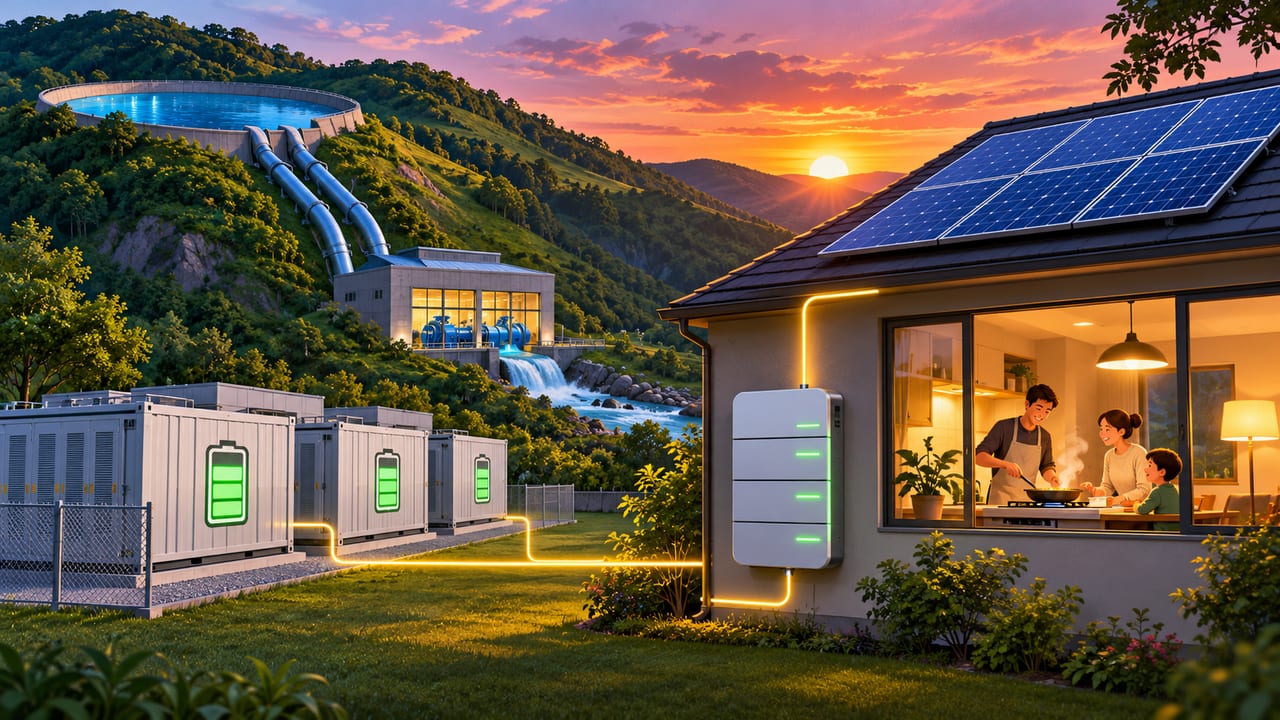
Electricity—what makes lights and many machines work—can come from the sun. But we need it at night too. How can we keep it for later? One answer is a battery, a box that keeps energy for later use. Some homes and businesses already use batteries. Very big batteries help many people get electricity when they need it. Another way uses water. Electricity moves water up a hill. Later, the water com
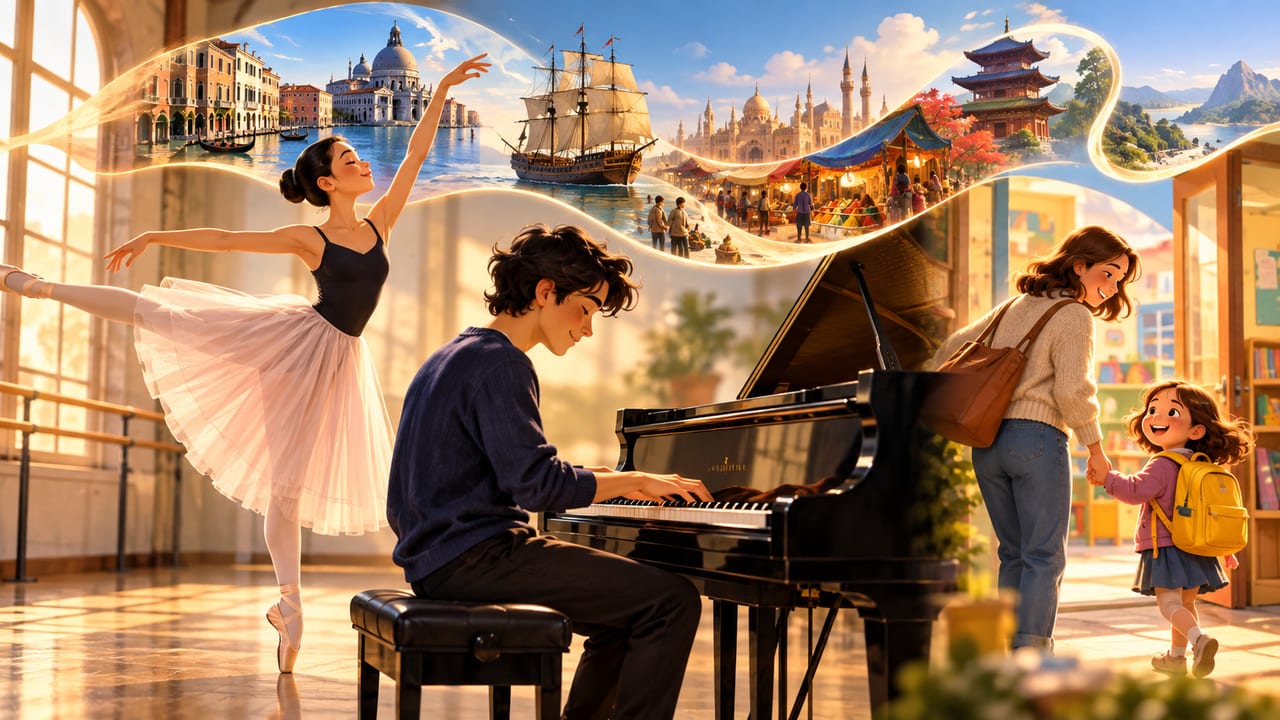
Many English words come from other languages. People bring words into English when they travel, buy and sell things, or learn together. "Piano" comes from Italian. A piano is a large thing with black and white keys for making music. You can make soft or loud sounds on it. In written music, "piano" can also mean "play softly." "Kindergarten" comes from German. A kindergarten is a school for young
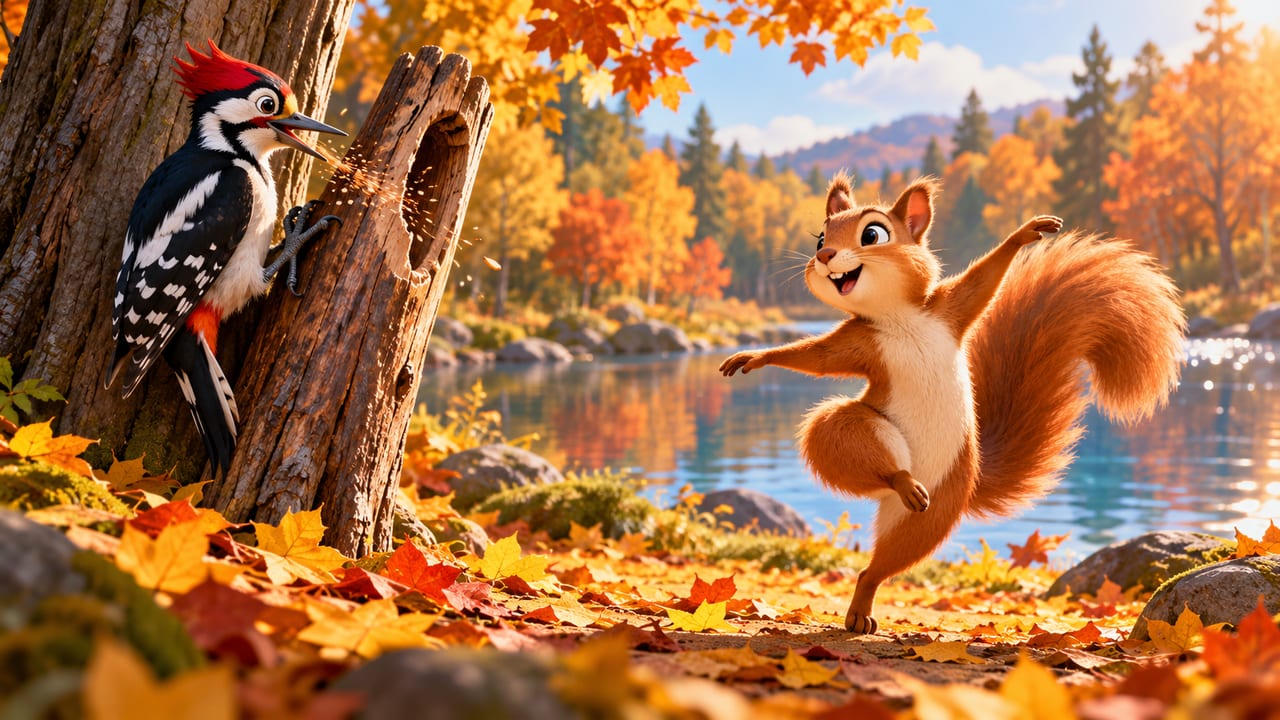
A woodpecker, a bird, made music on wood. A squirrel, a small animal with a long tail, asked him to play for her dance. Her dance ended with three small steps, a turn, and a high jump. First, the woodpecker made many sounds. The squirrel went too fast and fell. He played more softly, but there were still too many sounds. She could not do her jump. The woodpecker wanted to show how well he could

A person in a space station, a home in space, lets go of a pen. It does not fall to the floor. Why? Gravity, Earth's pull on things, is still there. It pulls the pen, the people and the station down. They all fall together. This is why the pen stays near the person. On Earth, the floor stops you from falling. You can feel it under your feet. In the station, the floor is falling too. So why does
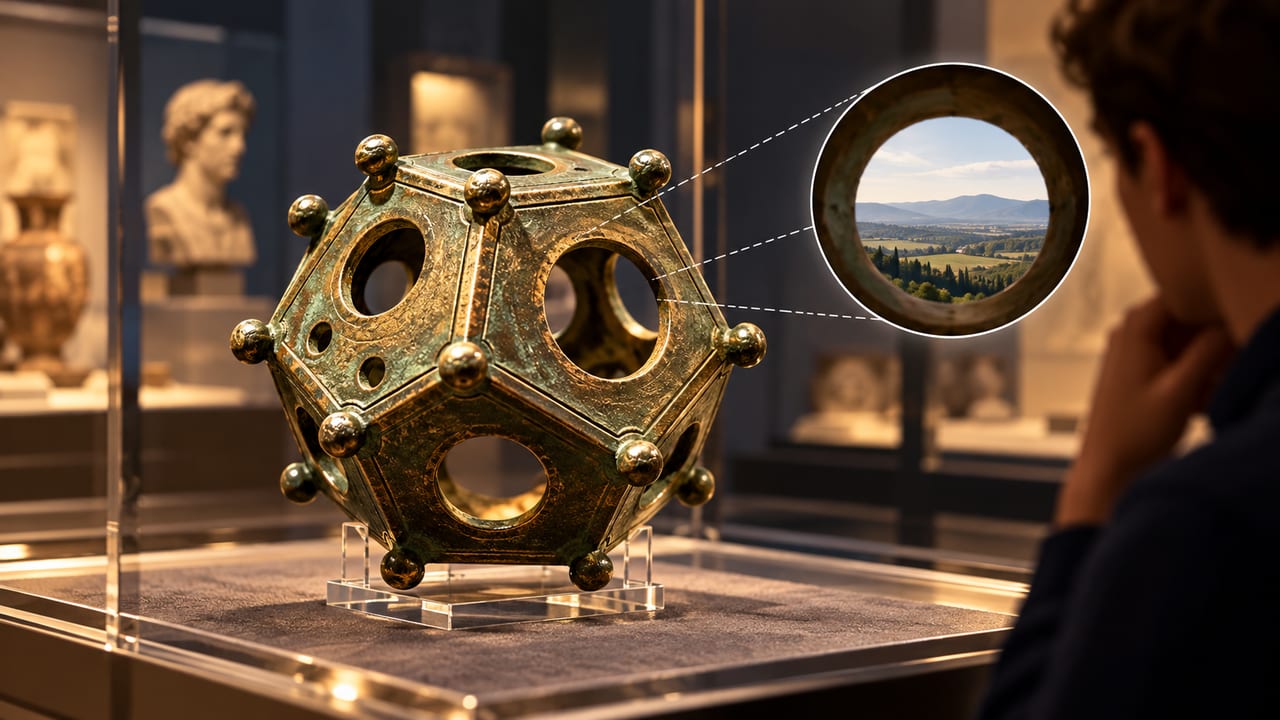
People have found small Roman objects in Europe. They have twelve flat sides, holes of different sizes, and small round parts at the corners. No one knows what people used them for. No old writing clearly tells us. Some people think they helped Romans find out how far away something was. A person could look through two holes. But the person would need to know how big the faraway thing was. The Ro
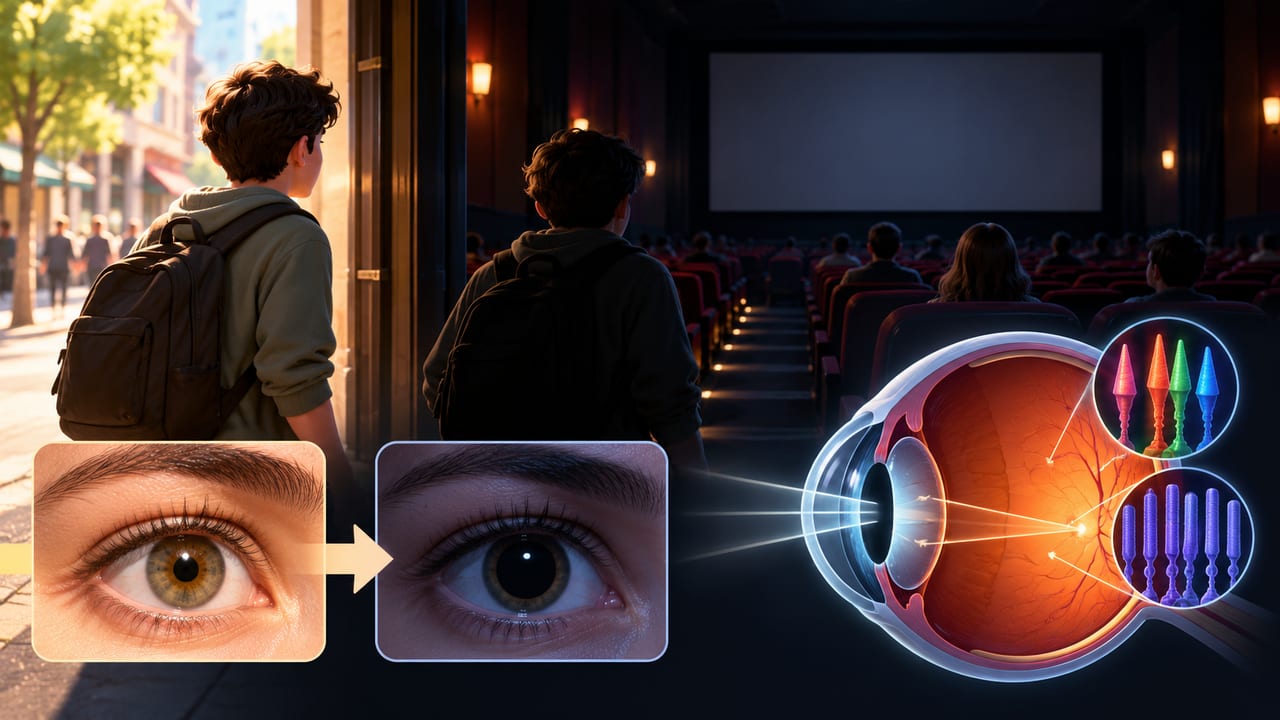
You walk from a sunny street into a dark cinema. At first, you cannot see the seats well. After some time, you can see more. The room is not lighter. Your eyes can now use the little light there. The pupil, the small dark hole at the front of your eye, gets bigger in the dark. More light can come in. This happens quickly. But another change takes more time. Your eyes have cells, very small livin

Beavers are animals that live on land and in water. They build dams, walls across small rivers, with wood. A dam makes the water slow down. The water behind it gets deeper. This can make a pond, a small lake. Some water can still go through or over the dam. Deep water helps beavers get food and stay safe. They can go into their homes from under the water. The dam is not their home. Some beavers a
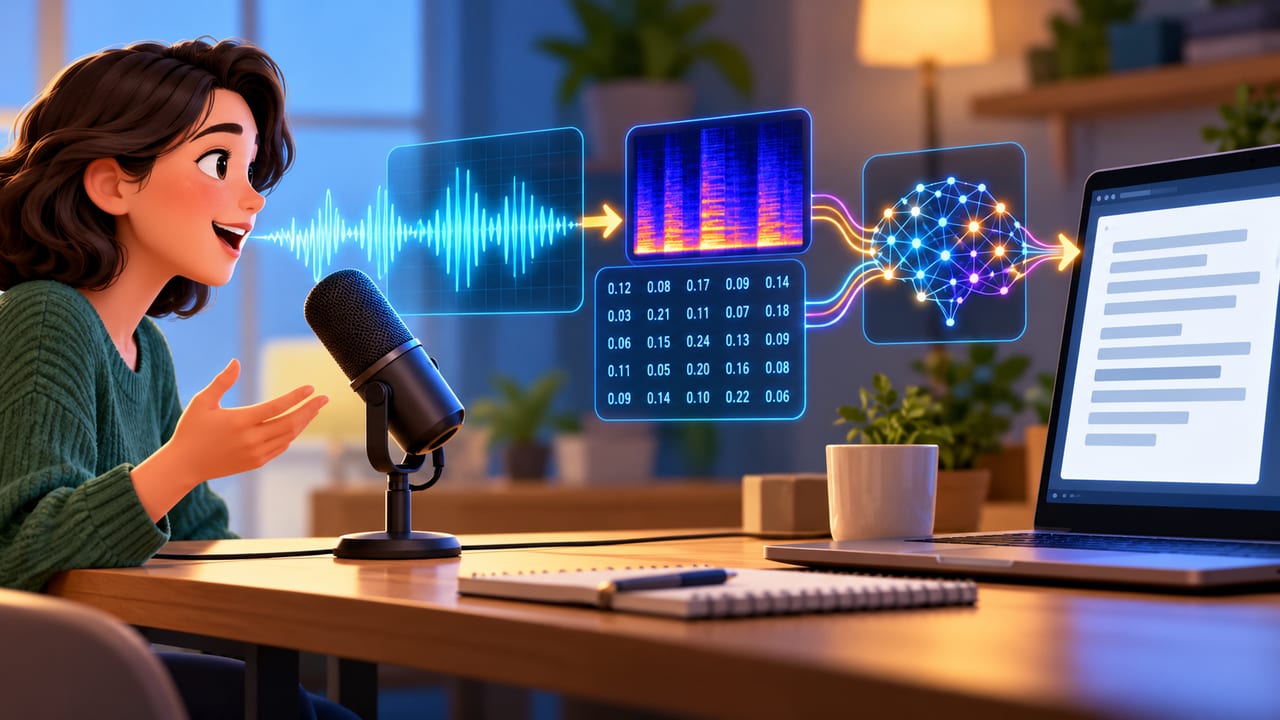
A computer can listen to people and write their words on a screen. How does it do this? First, the computer gets the sound as numbers. It looks at small parts of the sound. It finds how the sounds are different. The computer learns from many examples. These have people speaking and the same words in writing. The examples help it learn which sounds go with which words. People do not always stop

Venice is beautiful, but it is also a place where people live and work. Water is part of everyday life there. The old city is on small islands. It has canals—water streets for boats. Bridges—small roads over the water—join the islands. Cars can get to one side of the old city, but they cannot go through most of it. People walk or go by boat. They take big boats to work and to other islands. Walk
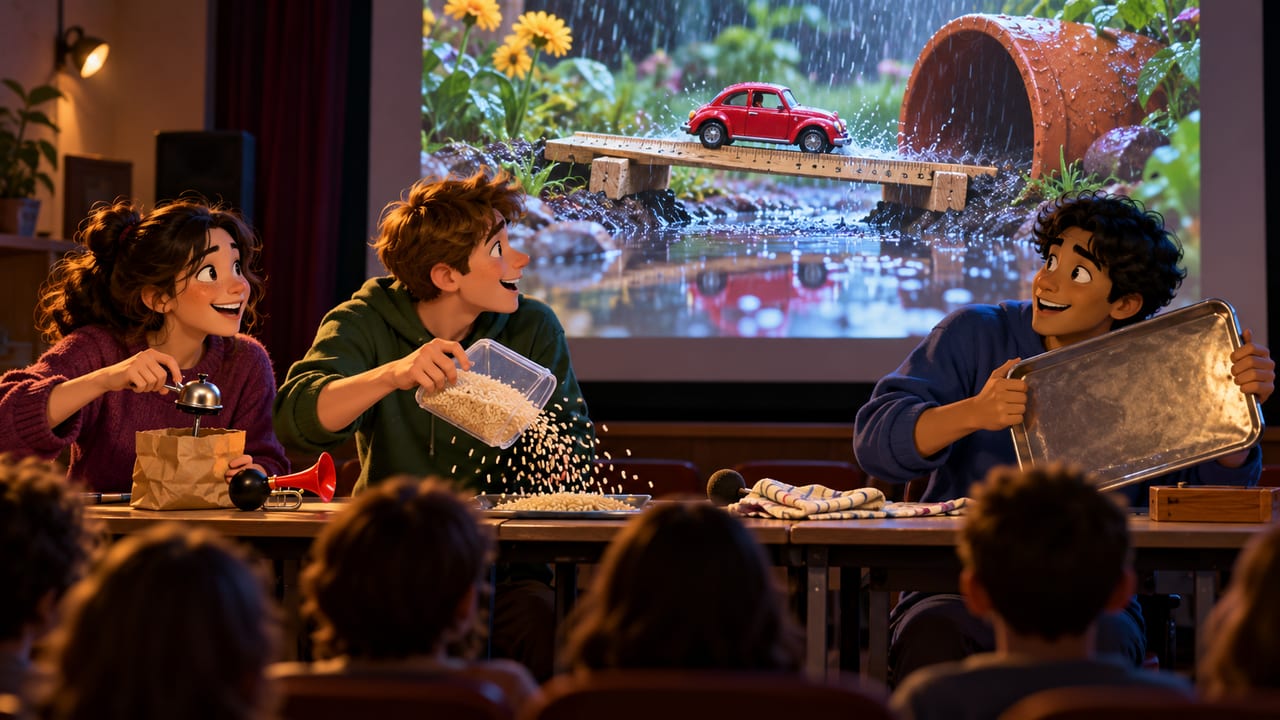
Rosa, Ben and Amir had a short film about a toy car in a garden. It had no sound. They wanted to make the sounds as people watched. First, all three made a bicycle sound at the same time. No one made the rain sound. They tried again. Each person had a different job. Ben made rain sounds. Rosa made car sounds. Amir made the other sounds. But Amir needed two hands for thunder, the loud sound in t