Seals help oceanographer study the Southern Ocean
Adapted · A2 · Graded story · 4:19 · A2
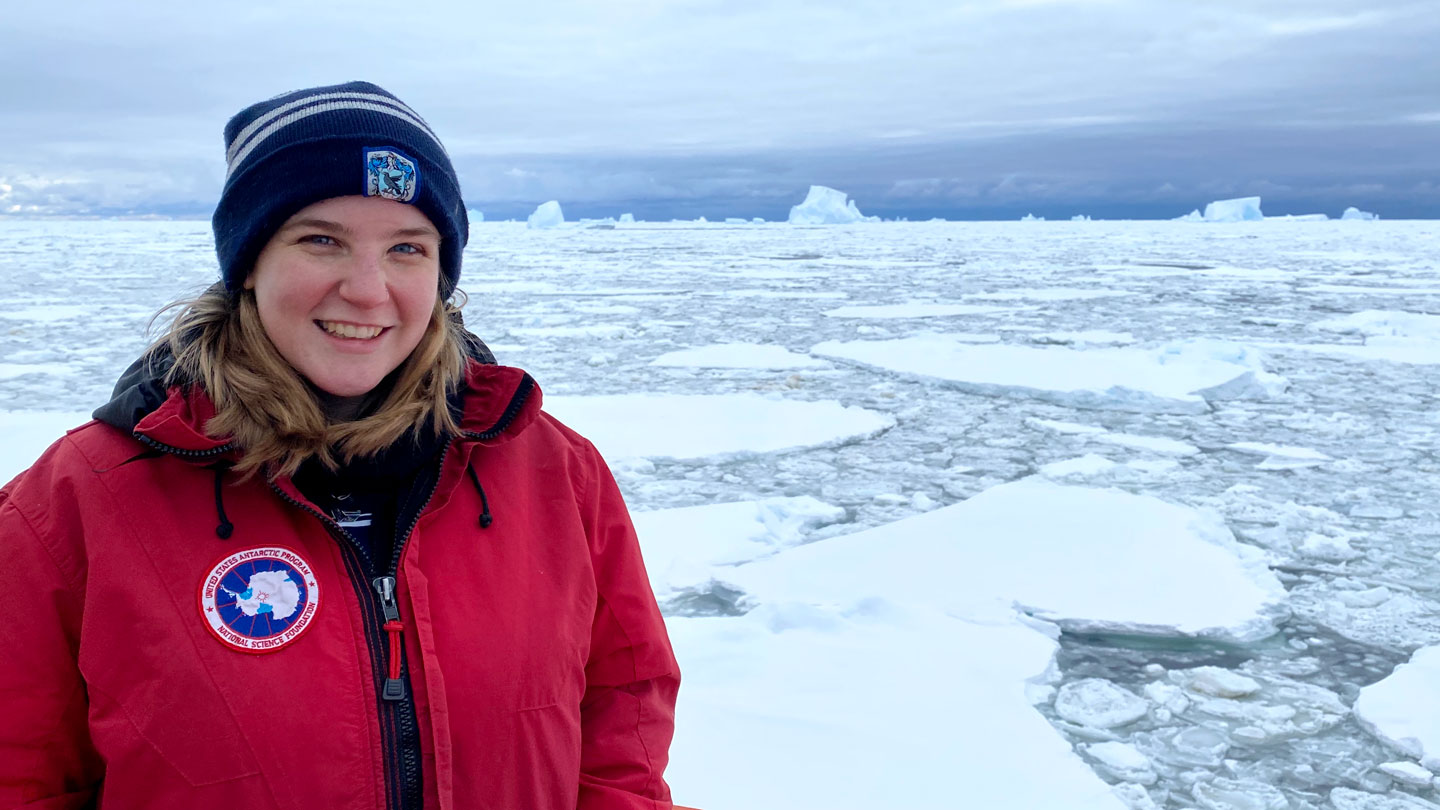
At Brown University in Providence, Rhode Island, oceanographer Lily Dove studies the physics of Antarctica's Southern Ocean. She has unusual helpers: Antarctic seals.'They're oceanographers,' she says.'They dive in places we do not often sample.'
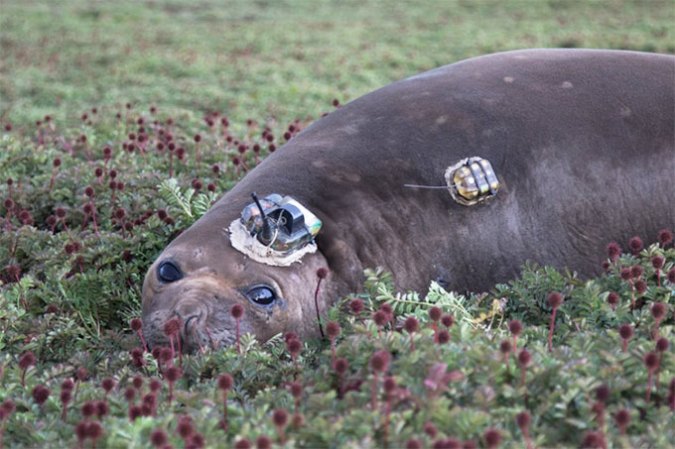
Dove did not work with the seals directly. She uses data from a program called Marine Mammals Exploring the Oceans Pole to Pole. This is an international group of scientists. They collect ocean data with sensors on the heads of southern elephant seals and Weddell seals. The seals dive more than 100 meters (330 feet) to find food, so researchers can measure temperature, salinity and pressure where divers cannot go.
Dove uses this data to study how climate change changes the Southern Ocean. The Southern Ocean circles Antarctica. In some places, heat moves from the surface to the deep ocean. This heat stays there for hundreds of years and makes the ocean warmer.
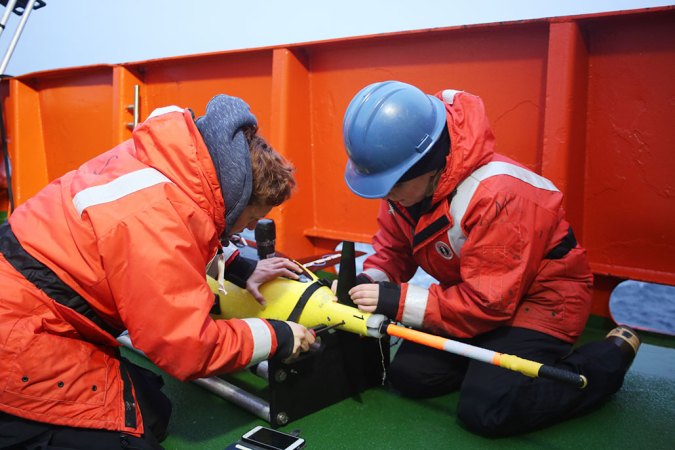
Now at the Georgia Institute of Technology, Dove works with small robots to study polar oceans. Some robots ride sea currents and are called floats. Others, called gliders, are underwater vehicles that Dove can control.'And this is all remote,' she says.'I can sit in Georgia and tell my glider in another hemisphere where to go.'
This technology is more predictable than her past helpers.'Seals are very independent,' she says. But unlike a glider,'seals tell me where they want to go.'
In this interview, Dove shares her experience and advice with Science News Explores. The interview has been edited for content and readability.
Lily Dove grew up in Florida. The ocean interested her as a powerful system that we rely on. She did not think about it as a career at first. She liked science, like physics and chemistry. In college she changed majors many times.
Then she learned she liked these topics because they help explain the Earth and the environment. She found that you need many kinds of science to understand the Earth system: biology, physics, chemistry and geology. She ended up studying atmospheric chemistry.
In graduate school, she used these skills from atmospheric chemistry and started studying oceanography. The atmosphere and the ocean have the same physics. This made the move feel right. She joined a group that studies polar oceans, something she had not planned before. She went to the Southern Ocean for the first time in 2020.
The polar oceans are very far from most people. But they have big effects on our climate, especially the Southern Ocean. It was there that she knew this is what she wanted to do.
She has faced discrimination in this field as a woman. Many people have ideas about who can do polar science. Women used to hide on ships to get data for their theses. There is a famous case at Woods Hole Oceanographic Institution of a woman stowing away on a research vessel in the 1950s.
The stigma is still there, but it is changing a lot. And it is not only about women. People of color, queer people and disabled people also face discrimination.
During her time in this field, some people have assumed she cannot do something. That is frustrating, but it has given her a skill to speak up for herself.
Say 'yes' to as many chances as possible. That could be attending an event, talking with a scientist or taking a course. The worst case is that you learn something new that you do not like. The best case is that something grabs your attention and you cannot stop thinking about it.
'I am glad I did not focus on one area too early. I got a strong base in many science fields before choosing a focus. This helps me be flexible and open to new ideas.'
If you already know you want to do something specific, listen to your gut. But if you are not sure, learn a lot and keep ideas open.
Comments
0Share what you noticed, understood, or still find difficult in this article.