When Past Effort Shapes Today's Choice
Adapted · B2 · 分级文章 · 1:47 · B2 · 内容由 AI 生成
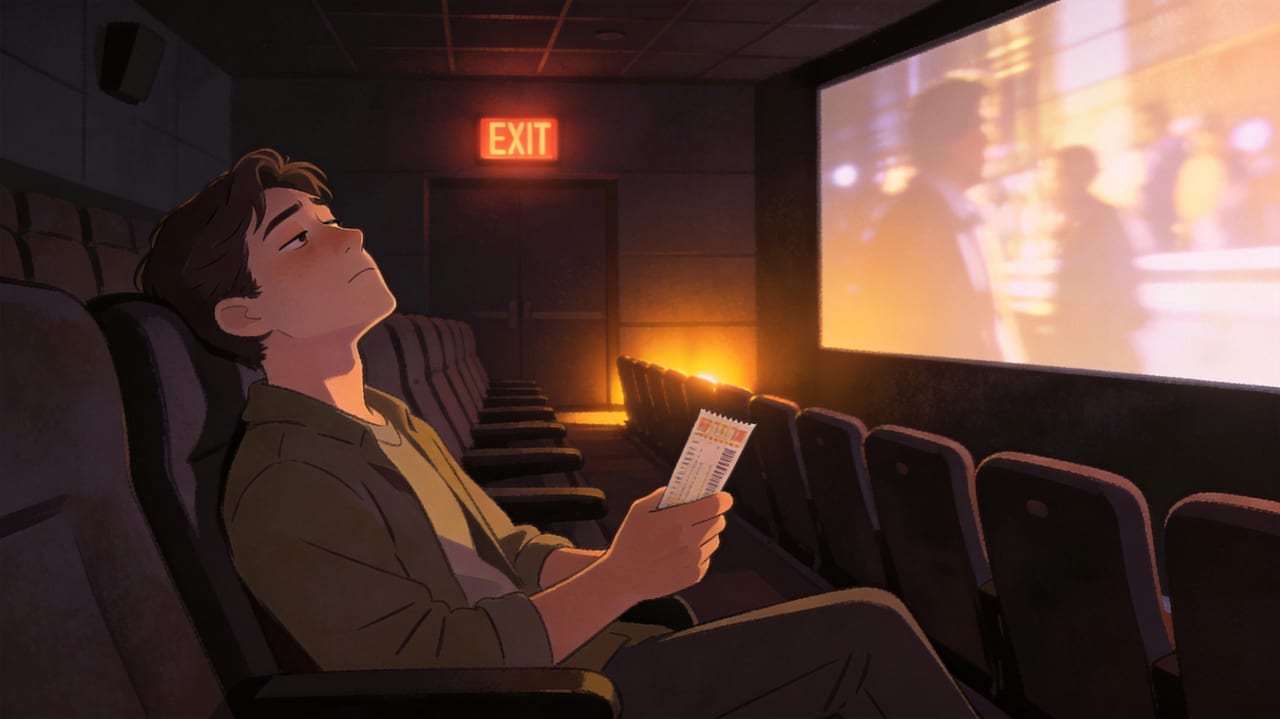
Imagine this situation: you paid for a film ticket, but halfway through the film, you are bored. You would rather go home. Still, you stay because leaving feels like wasting money. Yet staying will not bring that money back.
This is an example of the sunk cost effect. A sunk cost is money, time, or effort that you have already spent and cannot recover. Research on decision-making shows that these past costs can influence our choices, even when they will not change what happens next.
Why is stopping difficult? We may dislike waste or want to believe that our earlier choice was a good one. Stopping can feel like admitting a mistake. However, a choice that made sense earlier may no longer be useful when the situation changes.
One practical approach is to separate the past from the future. First, identify what you cannot get back. Then ask yourself: if I were choosing now, without that past cost, what would I do? Finally, compare the likely benefits and costs from this point onward.
Consider another hypothetical example. You have spent several weekends building a shelf, but it no longer fits your room. Those weekends are gone whether you finish it or not. Instead of asking how to justify that time, consider what finishing would require and whether you would use the shelf. Changing the design might be worthwhile; finishing only because you started might not be.
This does not mean you should leave every boring film or abandon every difficult project. The ending might interest you, and completing a project may teach useful skills. There may also be promises or future costs to consider.
The aim is not to ignore the past. It is to learn from it without letting a cost you cannot change control your next decision.
评论
0分享你对本文的理解、发现,或仍然觉得困难的地方。